
Ricordea Mushroom
Ricordea florida
The jewel of the mushrooms — bubbly, fluorescent discs that are hardy and beginner-easy.
Difficulty: Beginner Soft coral (beginner)
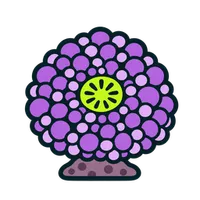
Ricordea (Ricordea florida) is the jewel of the mushroom corals — a disc studded with fluorescent bubble-like vesicles in electric greens, oranges and blues. It has the hardiness and low demands of a mushroom with far more colour, making it a prized but genuinely beginner-friendly coral. Give it low-moderate light, gentle flow and a calm spot, and it'll multiply.
Care at a glance
| Colony / form | A rounded disc covered in bubbly vesicles; splits into new discs once happy. |
|---|---|
| Lighting | Low to moderate (≈50–120 PAR) — too much light washes out the colour. |
| Water flow | Gentle to moderate, indirect — strong flow keeps it from opening and can detach it. |
| Placement | Low rock or the sand-rock interface in a calm, slightly shaded spot; let it attach and settle. |
| Temperature | 75–82°F (24–28°C). |
| pH | 8.1–8.4. |
| Specific gravity | 1.023–1.026 (reef-standard ≈35 ppt). |
| Other targets | Soft corals and mushrooms don't draw down calcium and alkalinity like stony corals — just keep salinity and the usual reef parameters stable. |
| Feeding | Mostly photosynthetic; will take tiny meaty foods — an occasional feed boosts growth and colour. |
| Growth & spread | Multiplies by splitting once happy — a single ric can become a colourful colony. |
| Natural range | Caribbean / Western Atlantic. |
The fish store gets these wrong
Common myths, kindly corrected — no shame for having believed them.
- "More light = better ric colour." The opposite — bright light bleaches ricordea; low-to-moderate light keeps the fluorescent colours it's collected for.
- "Mushrooms are boring beginner corals." Ricordea have all the hardiness of a mushroom with jewel-like colour — beginner-easy AND collectible.
Before you buy
- Low-to-moderate light and gentle, indirect flow.
- A calm spot to let it attach — and minimal handling afterward.
- Stable water; an occasional small meaty feed for growth.
Signs something's wrong
A struggling coral is almost always telling you about light, flow or water — here's what to watch for:
- Fading or bleaching colour — too much light; move it lower or shadier.
- Not opening fully or detaching — too much flow, or it's been disturbed; give it a calmer spot.
- Shrinking or melting — a water-quality problem; test and stabilise.
Work through the Ricordea Mushroom trouble card — the water, light, flow and pest checks that fix almost every struggling coral.
Never
- Never blast it with strong flow — it won't open and may detach.
- Never keep it under intense light — it bleaches the colour.
- Never keep moving it around — rics resent handling.
Common ricordea mushroom questions
Why is my ricordea losing its colour?
Almost always too much light. Ricordea are low-to-moderate-light corals, and bright light bleaches the fluorescent greens and oranges they're prized for. Move it lower or shadier and the colour usually returns.
How much flow does ricordea want?
Gentle to moderate, indirect flow. Strong or direct flow stops it opening fully and can blow it off its rock — give it a calm spot.
Is ricordea a good beginner coral?
Yes — it has the hardiness and low demands of a mushroom coral with far more colour, so it's both beginner-friendly and collectible. Low light, gentle flow, stable water.
Do ricordea mushrooms need to be fed?
Not strictly — they're mostly photosynthetic — but they'll take small meaty foods, and an occasional feed boosts growth and colour and helps them multiply.
How do ricordea reproduce?
They split — a happy ricordea divides into new discs (and can drop bits that grow), so a single polyp can become a colourful colony over time.
🐚 Did you know? — Ricordea Mushroom fun facts
Little true delights about the ricordea mushroom — each one checked against a named source, no reef-store folklore.
- Ricordea florida is not a true stony coral at all but a corallimorph, a soft relative of anemones and corals that builds no stony skeleton. Wikipedia
- Under ultraviolet light Ricordea florida glows with bright fluorescence, one of the reasons its jewel-like colours are so prized. Wikipedia
- This little coral lives only on the far side of the world from the Pacific reefs, calling the Atlantic, the Caribbean Sea and the Gulf of Mexico home. Wikipedia
Sources & further reading
This guide was written and fact-checked against these authorities. It's honest, general guidance — not a diagnosis, and not a substitute for an aquatic vet or your own test kit:
- Saltwater Aquarium Blog — Ricordea Mushroom Care — light, flow, feeding, placement
- Extreme Corals — Ricordea Mushroom Care Guide — PAR, flow, colour
- Top Shelf Aquatics — Mushroom Coral Care Guide — hardiness, placement
Written and fact-checked by The Coralkin Team against marine-aquarist sources — if your ricordea mushroom is struggling, it's almost always a light, flow or water-chemistry issue — check those first and ask an experienced reefer. We never guess a care number.
🔬 Review status: team-written and fact-checked against cited sources · not yet reviewed by a marine vet. How we research & fact-check →
Get the free Ricordea Mushroom Starter Kit
A readiness checklist and a first-30-days plan to set up your ricordea mushroom the right way — every number drawn straight from our fact-checked care sheet. Join the shoal and we’ll send it over.
Honest reef care straight to your inbox. No spam — unsubscribe anytime. See how we handle your data in our privacy notice.