
Tailspot Blenny
Ecsenius stigmatura
The peaceful pick of the nano blennies — a tireless algae-grazer that stays out of trouble.
Difficulty: Beginner Reef-safe community fish Reef-safe
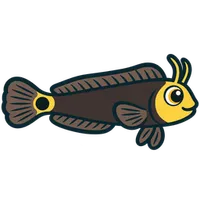
The tailspot blenny (Ecsenius stigmatura) is the peaceful, reliable pick of the nano blennies — a tiny (2–2.5 inch) combtooth blenny with big froggy eyes and a dark spot at the tail, content to perch on the rock and graze film algae all day. It's about as trouble-free as a reef fish gets, and a genuinely good algae-grazer for small tanks.
Care at a glance
| Adult size | ~2–2.5 in. |
|---|---|
| Minimum tank | 10+ gallons with live rock to graze and perch on. |
| Temperature | 75–82°F (24–28°C). |
| pH | 8.1–8.4. |
| Specific gravity | 1.023–1.026 (reef-standard ≈35 ppt). |
| Diet | Herbivore-leaning — grazes film algae off rock; supplement with nori and prepared foods in a clean tank. |
| Temperament | Peaceful and mild-mannered toward other species; still territorial toward other blennies. One blenny per nano. |
| Reef-safe | Yes — a dependable reef-safe grazer; much less prone to coral-nipping than the bicolor. |
| Natural range | Indo-Pacific. |

The fish store gets these wrong
Common myths, kindly corrected — no shame for having believed them.
- "All blennies nip corals." The tailspot is notably well-behaved — one of the more reliably reef-safe blennies; keep it fed and it grazes algae, not coral.
- "A blenny keeps my glass and rock algae-free single-handed." It helps a lot with film algae, but it's not a whole cleanup crew — pair it with snails.
Before you buy
- An algae supply (or a plan to feed nori).
- Rock to perch and graze on.
- One blenny per nano; quarantine before adding.
Quarantine and get help if…
We can't diagnose from a photo — but these are the signs to stop watching, quarantine, and get an aquatic vet or an experienced reefer's eyes on it:
- White spots, flashing or rapid breathing — quarantine and treat.
- Not grazing/eating, hiding, or thinning — stress or illness.
- Clamped fins or cloudy eyes — a water-quality problem.
Print the Tailspot Blenny emergency vet-prep card — what to bring, what to tell the vet, and the questions to ask.
Never
- Never keep two blennies in a small tank.
- Never leave it in a clean tank with no algae and no feeding.
- Never skip quarantine.
Common tailspot blenny questions
Is the tailspot blenny reef-safe?
Yes — it's one of the more reliably reef-safe blennies, grazing film algae rather than nipping corals. As with any grazer, keep it fed (nori in a clean tank) and it stays well-behaved.
Tailspot or bicolor blenny?
The tailspot is the more peaceful and more reliably reef-safe of the two, which makes it the safer pick for a coral-heavy nano. The bicolor has more personality but is a bit nippier and more territorial.
How big do tailspot blennies get?
Small — about 2 to 2.5 inches — which is why they suit nano tanks of 10 gallons and up with plenty of live rock.
What do tailspot blennies eat?
Mostly film algae grazed off the rock, plus prepared herbivore/meaty foods. In a very clean tank, offer nori so it doesn't go hungry.
Can I keep two tailspot blennies?
Best not in a small tank — like other blennies they're territorial toward their own kind. One per nano is the rule; a large tank with distinct territories can occasionally support more.
🐚 Did you know? — Tailspot Blenny fun facts
Little true delights about the tailspot blenny — each one checked against a named source, no reef-store folklore.
Sources & further reading
This guide was written and fact-checked against these authorities. It's honest, general guidance — not a diagnosis, and not a substitute for an aquatic vet or your own test kit:
- Saltwater Aquarium Blog — Tailspot Blenny Reef-Safe Care Guide — reef-safe, size, diet, temperament
- ReefBay — Complete Blenny Care Guide — tank, grazing, blenny territory
- AquariumStoreDepot — Types of Blennies — peaceful grazer, care
Written and fact-checked by The Coralkin Team against marine-aquarist and veterinary sources — if your tailspot blenny shows a red-flag sign above, quarantine and get an aquatic vet or an experienced reefer's eyes on it. We never guess a care number.
🔬 Review status: team-written and fact-checked against cited sources · not yet reviewed by a marine vet. How we research & fact-check →
Get the free Tailspot Blenny Starter Kit
A readiness checklist and a first-30-days plan to set up your tailspot blenny the right way — every number drawn straight from our fact-checked care sheet. Join the shoal and we’ll send it over.
Honest reef care straight to your inbox. No spam — unsubscribe anytime. See how we handle your data in our privacy notice.