
Orchid Dottyback
Pseudochromis fridmani
The purple nano jewel — captive-bred orchids are peaceful, hardy, and eat pest bristleworms.
Difficulty: Beginner Reef-safe community fish Reef-safe
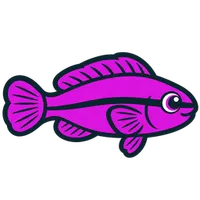
The orchid dottyback (Pseudochromis fridmani) is proof that captive breeding changes everything. Wild dottybacks are notoriously aggressive, but the tank-bred orchid — a jewel-purple 3-inch fish from ORA and others — is shy, cave-loving and peaceful, happy to leave tankmates alone while it hunts pest bristleworms. It's one of the best nano-reef fish there is.
Care at a glance
| Adult size | ~3 in. |
|---|---|
| Minimum tank | 20–30 gallons with plenty of rockwork and caves to claim. |
| Temperature | 75–82°F (24–28°C). |
| pH | 8.1–8.4. |
| Specific gravity | 1.023–1.026 (reef-standard ≈35 ppt). |
| Diet | Carnivore — meaty foods (mysis, enriched brine, pellets); also hunts small pests such as bristleworms. |
| Temperament | Captive-bred orchids are peaceful and cave-bound — a rare gentle dottyback. Can be territorial toward its own kind or similar-shaped fish; keep one. |
| Reef-safe | Yes — reef-safe; the only inverts it targets are pests like bristleworms (and possibly tiny fanworms). |
| Natural range | Red Sea (captive-bred). |

The fish store gets these wrong
Common myths, kindly corrected — no shame for having believed them.
- "All dottybacks are aggressive." Wild ones largely are — but the captive-bred orchid dottyback breaks the mould: it's shy and peaceful. Buy tank-bred.
- "It'll clear my Aiptasia and all my pests." It hunts small worms like bristleworms, not Aiptasia — that's a peppermint shrimp's job.
Before you buy
- A CAPTIVE-BRED (ORA) orchid — not a wild dottyback.
- Rockwork with caves for it to claim.
- One per tank; quarantine before adding.
Quarantine and get help if…
We can't diagnose from a photo — but these are the signs to stop watching, quarantine, and get an aquatic vet or an experienced reefer's eyes on it:
- White spots or rapid breathing — quarantine and treat.
- Hiding far more than usual and refusing food — stress, bullying or illness (some cave-shyness is normal, though).
- Flashing, cloudy eyes or clamped fins — a parasite or water-quality issue.
Print the Orchid Dottyback emergency vet-prep card — what to bring, what to tell the vet, and the questions to ask.
Never
- Never buy a wild dottyback expecting the orchid's peaceful temperament.
- Never keep two dottybacks (or similar-shaped fish) in a small tank.
- Never skip quarantine.
Common orchid dottyback questions
Are orchid dottybacks aggressive?
Not the captive-bred ones — that's their whole appeal. Wild dottybacks are famously aggressive, but the tank-bred orchid dottyback (Pseudochromis fridmani) is shy, cave-loving and peaceful. Always buy captive-bred.
Is the orchid dottyback reef-safe?
Yes — it leaves corals and desirable inverts alone. The only things it hunts are small pests like bristleworms (and possibly tiny fanworms), which most keepers are glad to be rid of.
How big a tank does an orchid dottyback need?
About 20–30 gallons with plenty of rockwork and caves. It's small, but it likes to zip between hiding spots once settled.
Can I keep two orchid dottybacks?
Best not, unless it's a proven pair or a very large tank — they can be territorial toward their own kind and similar-shaped fish. One per tank is the safe rule.
Do orchid dottybacks eat Aiptasia?
No — that's a common mix-up. They hunt small worms like bristleworms, not Aiptasia anemones. For Aiptasia, use peppermint shrimp.
🐚 Did you know? — Orchid Dottyback fun facts
Little true delights about the orchid dottyback — each one checked against a named source, no reef-store folklore.
- The orchid dottyback is found nowhere else on Earth but the Red Sea, where it is entirely endemic. Wikipedia
- This vivid purple fish is named in honour of David Fridman of the Maritime Museum in Eilat, Israel, who collected the very first specimen. Wikipedia
- The orchid dottyback is one of the marine fish now bred in captivity, and it is of real commercial importance in the aquarium trade. Wikipedia
Sources & further reading
This guide was written and fact-checked against these authorities. It's honest, general guidance — not a diagnosis, and not a substitute for an aquatic vet or your own test kit:
- Saltwater Aquarium Blog — Orchid Dottyback Care Guide — temperament, tank, pest control
- Bulk Reef Supply — ORA Orchid Dottyback — captive-bred, reef-safe
- Fishlore — Orchid Dottyback Care — size, care, diet
Written and fact-checked by The Coralkin Team against marine-aquarist and veterinary sources — if your orchid dottyback shows a red-flag sign above, quarantine and get an aquatic vet or an experienced reefer's eyes on it. We never guess a care number.
🔬 Review status: team-written and fact-checked against cited sources · not yet reviewed by a marine vet. How we research & fact-check →
Get the free Orchid Dottyback Starter Kit
A readiness checklist and a first-30-days plan to set up your orchid dottyback the right way — every number drawn straight from our fact-checked care sheet. Join the shoal and we’ll send it over.
Honest reef care straight to your inbox. No spam — unsubscribe anytime. See how we handle your data in our privacy notice.