
Bicolor Blenny
Ecsenius bicolor
The two-tone nano blenny with attitude — an eager algae-grazer that may nip corals if underfed.
Difficulty: Beginner Reef-safe community fish Reef-safe
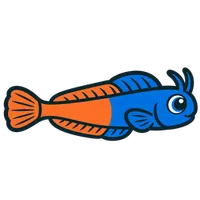
The bicolor blenny (Ecsenius bicolor) is a nano-reef favourite with a split personality to match its two-tone look — dark blue-grey up front, orange behind — perching in rock holes, darting out to graze, and eyeing you with froggy eyes. It's a hardy, entertaining algae-grazer, with two honest caveats: it can turn to nipping corals when algae runs low, and it's territorial toward other blennies.
Care at a glance
| Adult size | ~4 in. |
|---|---|
| Minimum tank | 10+ gallons with plenty of live rock and holes to perch in. |
| Temperature | 75–82°F (24–28°C). |
| pH | 8.1–8.4. |
| Specific gravity | 1.023–1.026 (reef-standard ≈35 ppt). |
| Diet | Herbivore-leaning omnivore — grazes film and hair algae off rock; supplement with nori and prepared foods, especially in a clean tank. |
| Temperament | Characterful and generally peaceful to other species, but territorial toward other blennies. Keep one blenny per (small) tank. |
| Reef-safe | Mostly — it grazes algae, but a bicolor can start nipping coral polyps or clam mantles when its algae supply runs low. Keep it fed. |
| Natural range | Indo-Pacific. |

The fish store gets these wrong
Common myths, kindly corrected — no shame for having believed them.
- "Blennies never touch corals." The bicolor can — when algae runs low it may nip coral polyps or clam mantles. A well-fed, algae-rich tank prevents most of it.
- "I can keep two blennies in my nano." Usually not — blennies are territorial toward each other; one per small tank is the rule.
Before you buy
- An algae-rich tank (or a plan to feed nori) to keep it off corals.
- Rock with holes and perches to claim.
- One blenny per (small) tank; quarantine before adding.
Quarantine and get help if…
We can't diagnose from a photo — but these are the signs to stop watching, quarantine, and get an aquatic vet or an experienced reefer's eyes on it:
- White spots, flashing or rapid breathing — quarantine and treat.
- Not grazing/eating, constant hiding, or thinning — stress or illness.
- Clamped fins or cloudy eyes — a water-quality problem.
Print the Bicolor Blenny emergency vet-prep card — what to bring, what to tell the vet, and the questions to ask.
Never
- Never keep it in a clean tank with no algae and no feeding — it'll turn to corals.
- Never keep two blennies in a small tank.
- Never skip quarantine.
Common bicolor blenny questions
Is the bicolor blenny reef-safe?
Mostly — it's primarily an algae grazer, but bicolors are known to nip coral polyps or clam mantles when their algae and microfauna supply runs low. Keep the tank algae-rich and supplement with nori and it's usually well-behaved.
What do bicolor blennies eat?
Chiefly film and hair algae grazed off the rock, plus prepared foods. In a clean tank, offer dried seaweed (nori) and small meaty/herbivore foods so it doesn't turn to your corals.
Can I keep two blennies together?
Generally no — blennies are territorial toward each other and similar-shaped fish. One blenny per (small) tank is the safe rule; only very large tanks with lots of territory can sometimes support more.
How big do bicolor blennies get and what tank do they need?
Around 4 inches, and they're happy in 10 gallons and up with plenty of live rock full of holes to perch and hide in.
Bicolor or tailspot blenny — which should I get?
The tailspot blenny is the more peaceful, more reliably reef-safe grazer; the bicolor has more personality but is a bit nippier and more territorial. For a coral-heavy nano, many keepers prefer the tailspot.
🐚 Did you know? — Bicolor Blenny fun facts
Little true delights about the bicolor blenny — each one checked against a named source, no reef-store folklore.
- The bicolor blenny goes by the wonderful nickname 'flame tail blenny' and is one of the roughly fifty comb-toothed Ecsenius blennies found across the warm Indo-Pacific. Wikipedia
- In the wild it perches on clear lagoon and seaward reefs among mixed corals and algae-covered rocks, and lays sticky eggs that anchor to the seafloor by a tiny adhesive pad. FishBase
Sources & further reading
This guide was written and fact-checked against these authorities. It's honest, general guidance — not a diagnosis, and not a substitute for an aquatic vet or your own test kit:
- ReefBay — Complete Blenny Care Guide — coral-nipping caveat, tank, diet
- AquariumStoreDepot — Types of Blennies — temperament, algae grazing
Written and fact-checked by The Coralkin Team against marine-aquarist and veterinary sources — if your bicolor blenny shows a red-flag sign above, quarantine and get an aquatic vet or an experienced reefer's eyes on it. We never guess a care number.
🔬 Review status: team-written and fact-checked against cited sources · not yet reviewed by a marine vet. How we research & fact-check →
Get the free Bicolor Blenny Starter Kit
A readiness checklist and a first-30-days plan to set up your bicolor blenny the right way — every number drawn straight from our fact-checked care sheet. Join the shoal and we’ll send it over.
Honest reef care straight to your inbox. No spam — unsubscribe anytime. See how we handle your data in our privacy notice.